The best memory card readers match your card formats and device ports while offering the slots or transfer features your workflow needs. This guide compares compact everyday options, USB-C readers, a broad-format desktop model, and a screen-equipped field viewer.
Quick Top Products
SABRENT USB-C & USB-A SD/Micro SD Reader
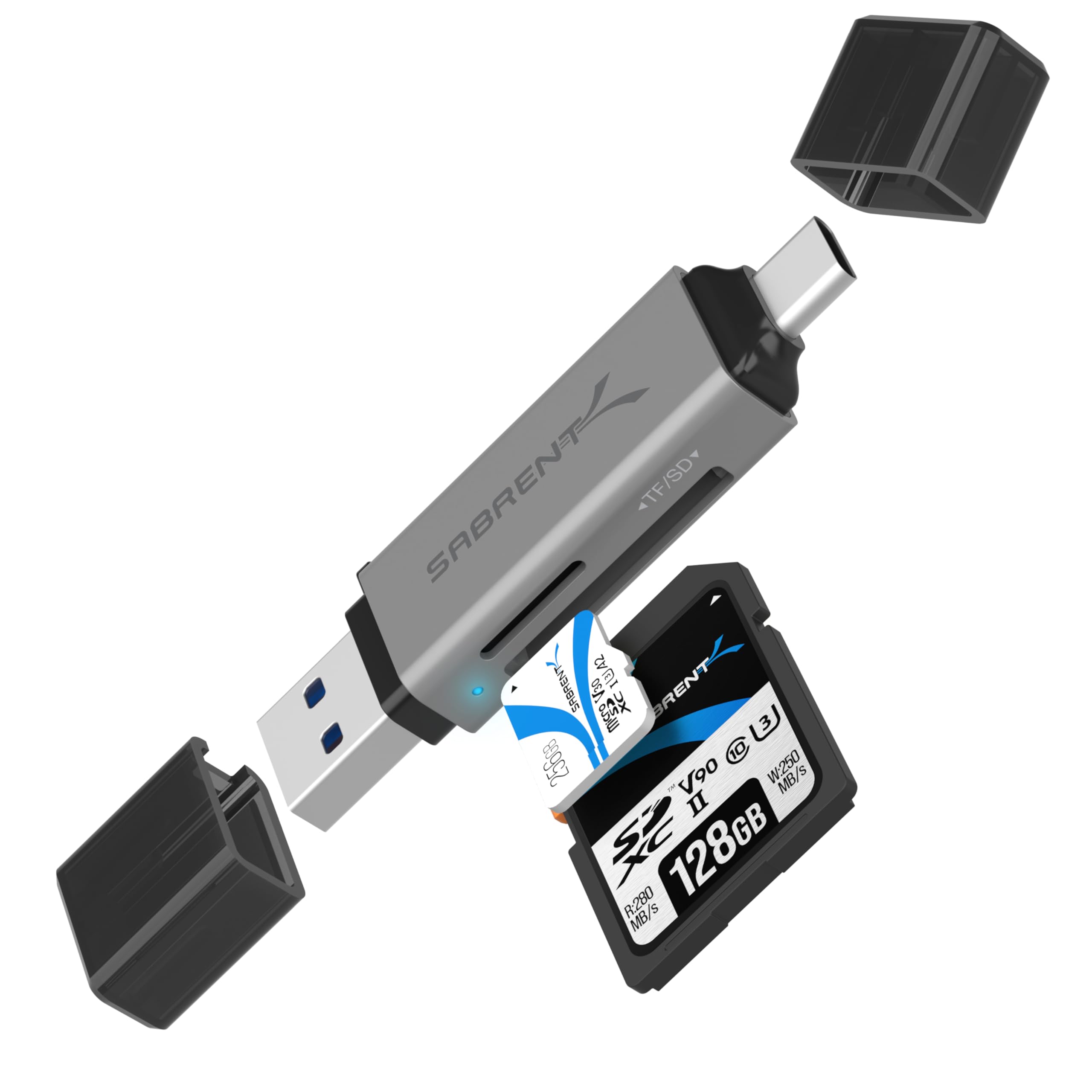
- Includes USB-C and USB-A connections for a mix of newer and traditional ports.
- Two slots support SD and microSD card families, including SDXC and microSDXC.
- USB 3.0 supports transfers up to 5Gbps and works with USB 2.0.
Best For: People who move cards between newer USB-C devices and computers with USB-A ports.

SABRENT USB-C UHS-II SD & microSD Reader
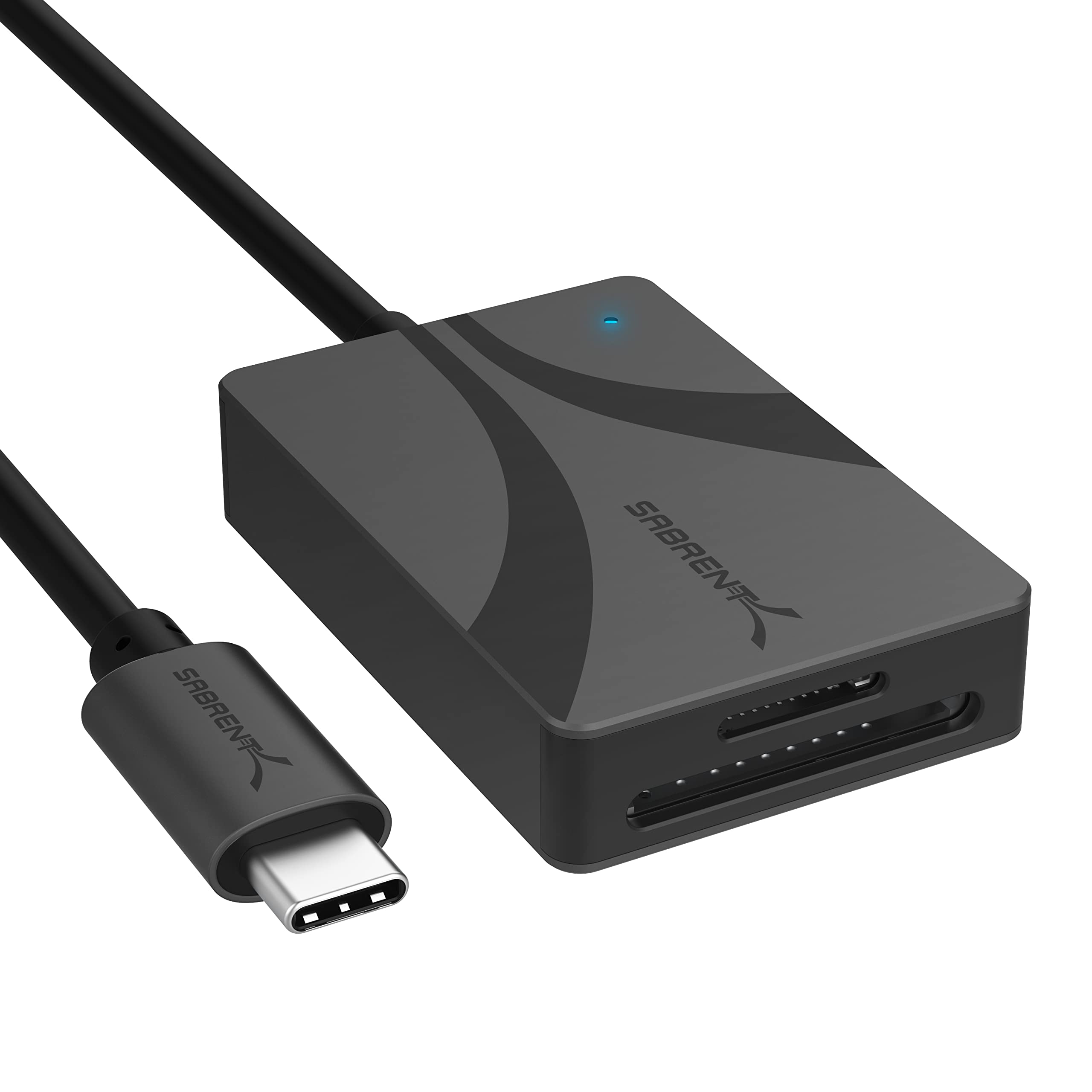
- Supports UHS-II SD and microSD cards with speeds up to 312MBps.
- Files can transfer through both slots simultaneously.
- A six-inch integrated USB-C cable connects to compatible devices.
Best For: USB-C users who work with SD and microSD cards and want simultaneous slot access.
SMALLRIG SD/TF USB 4.0 Reader 4870
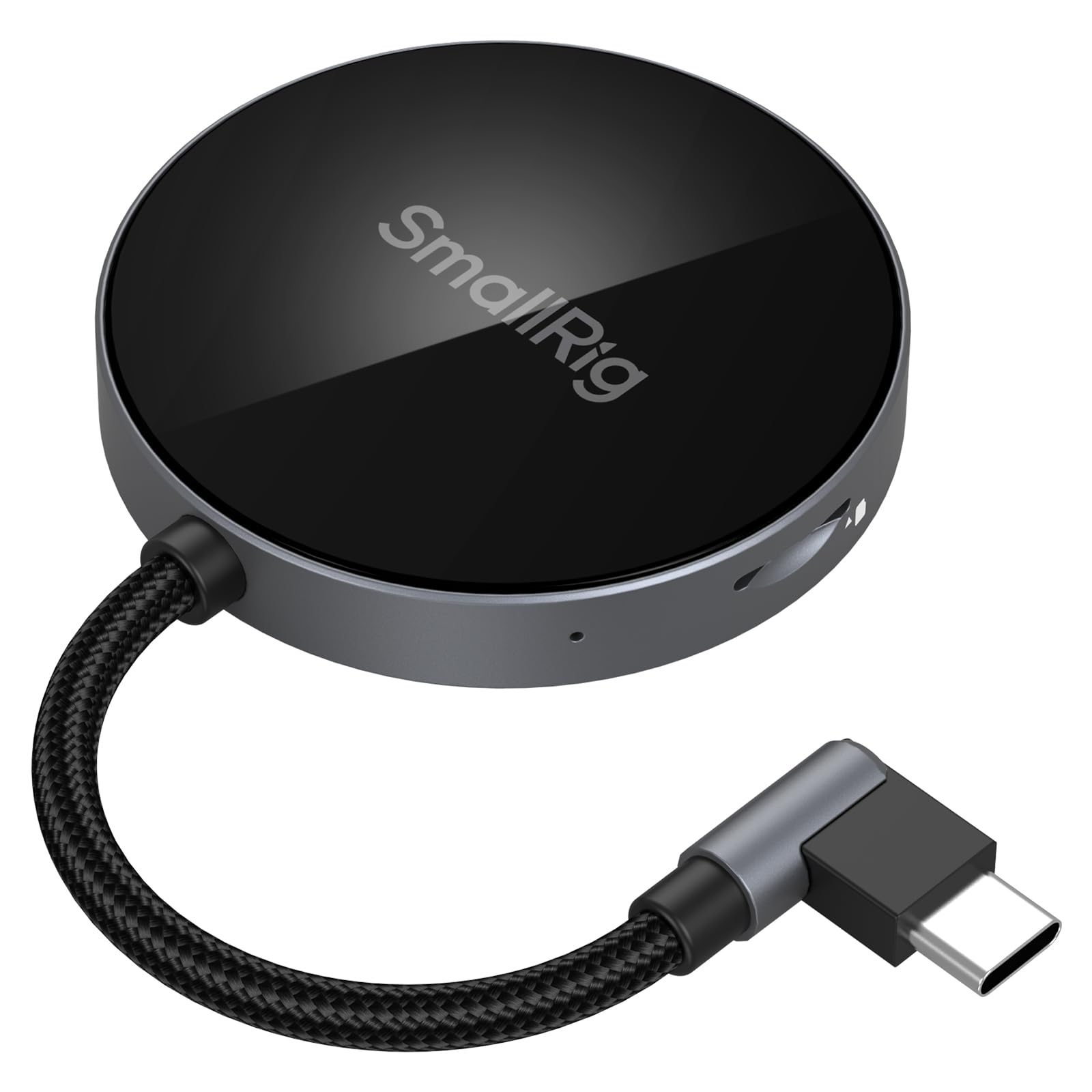
- Reads and writes SD and TF cards simultaneously at a stated 312MB/s.
- Its 90-degree connector is designed to reduce cable clutter.
- A built-in magnet attaches to selected phone backs.
Best For: People who want a compact angled reader for compatible phones, tablets, or computers.
SABRENT USB 3.0 SD & microSD Reader
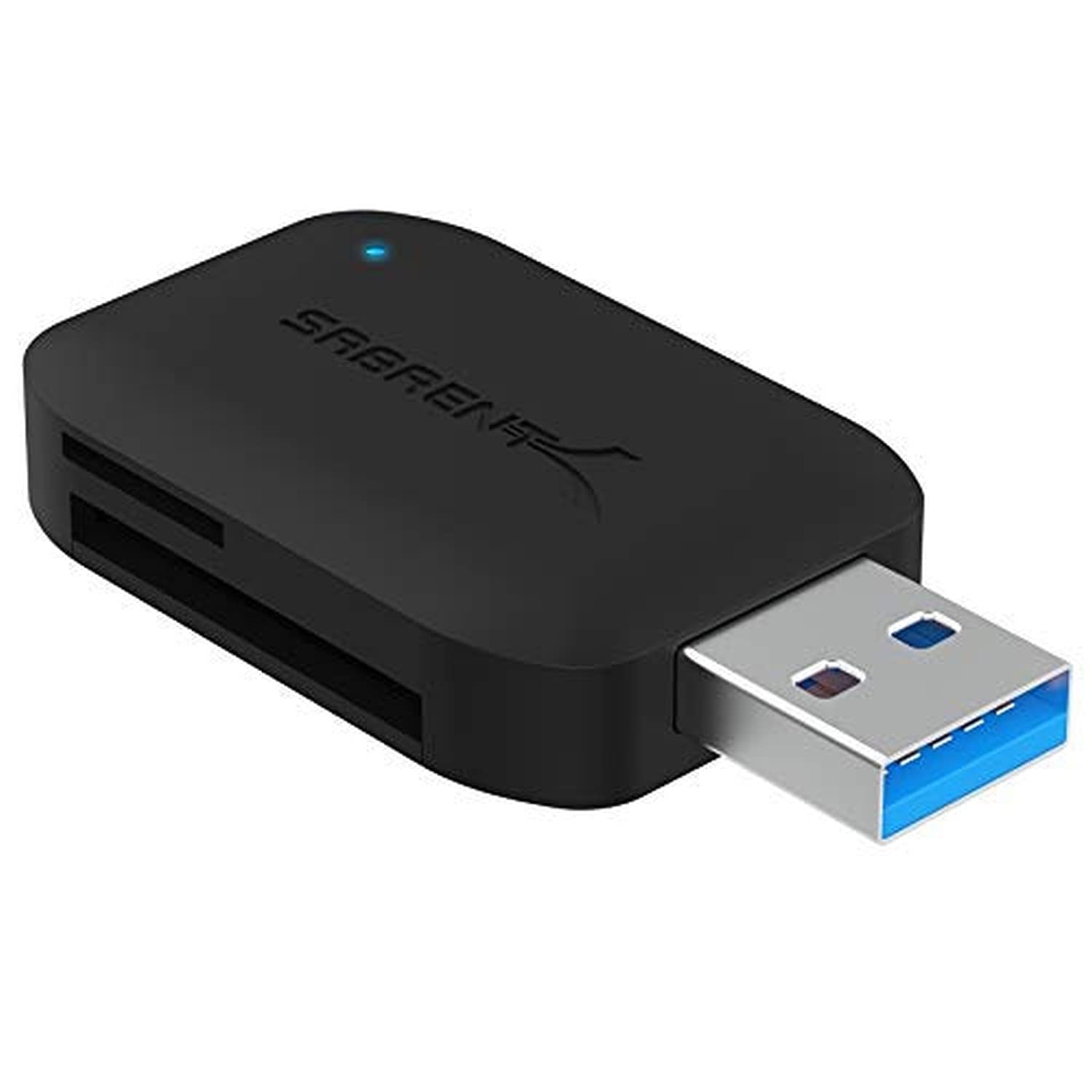
- Supports simultaneous reading of two cards.
- Handles SD and microSD formats, including UHS-I cards.
- Its LED indicates the data transfer process.
Best For: Users who need a simple USB 3.0 reader for common SD and microSD cards.
SABRENT SuperSpeed 2-Slot USB 3.0 Reader
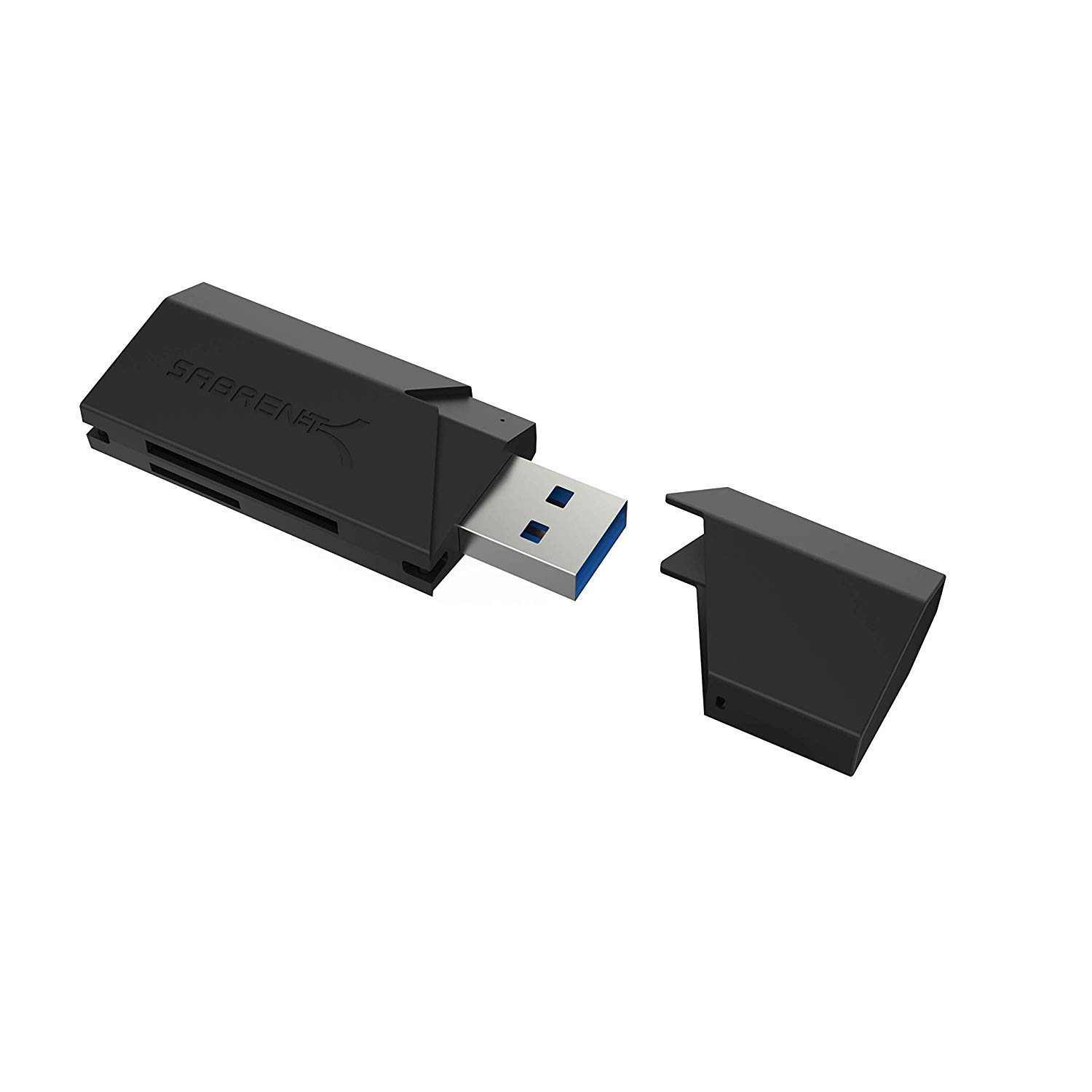
- Supports SD, SDHC, SDXC, MMC, microSD, and T-Flash cards.
- USB 3.0 connection works with USB 2.0 hosts.
- It is plug-and-play and draws power from the USB port.
Best For: People who need SD and microSD compatibility on a Windows, Mac, Linux, or supported Android system.
SABRENT 75-in-1 Multi Flash Card Reader
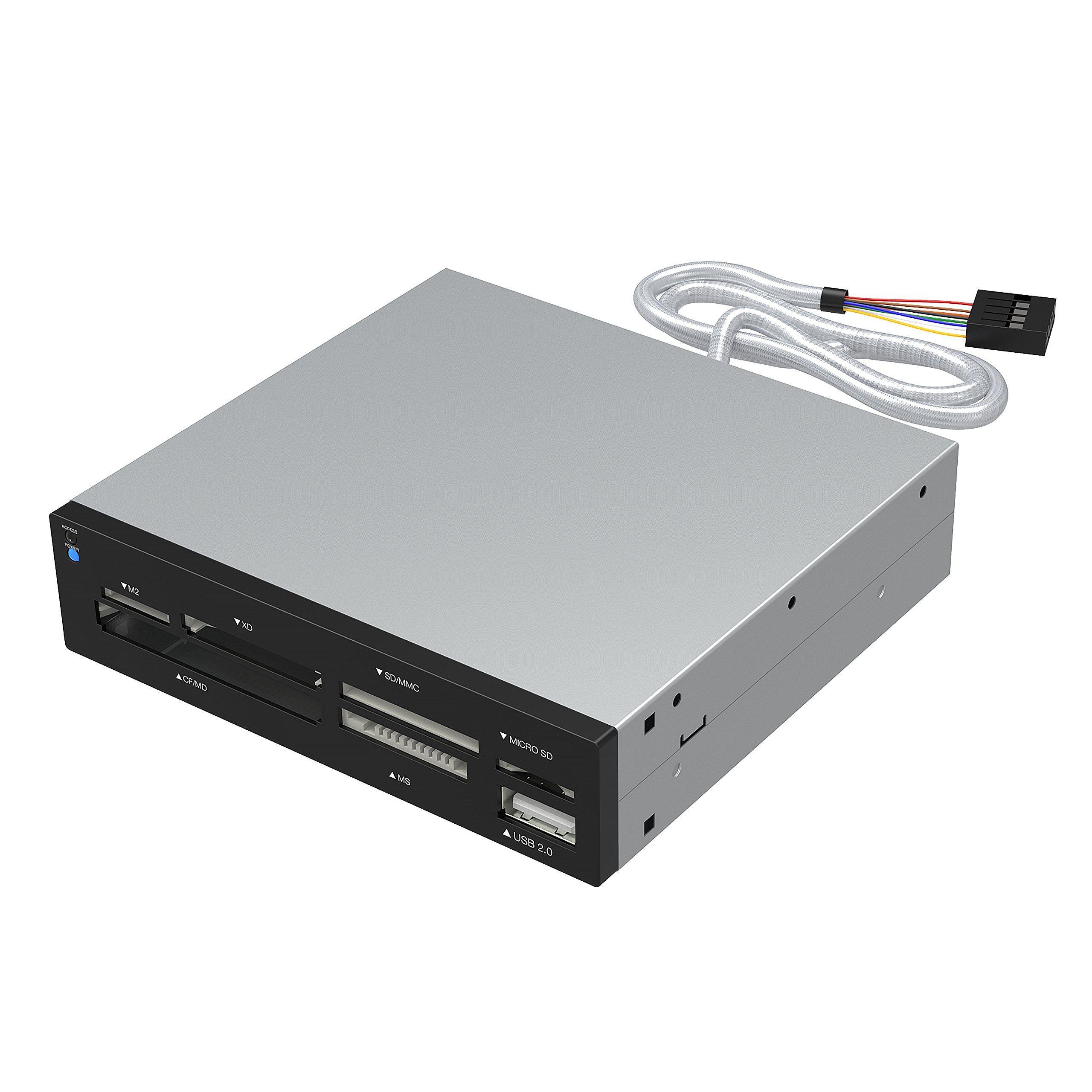
- Supports 74 different memory card types.
- The six slots cover a range of flash media formats, though some cards may require an adapter.
- Some card formats may require an adapter.
Best For: People handling a mix of older and common memory card formats who want an external reader.
SABRENT 74-in-1 Internal Card Reader
- Designed as a 3.5-inch internal card reader and writer.
- Six slots support a broad set of card formats.
- It adds one USB 2.0 port and has an internal power connector.
Best For: Desktop PC builders who want a front-bay card reader with broad format support.
Dual USB-C and USB-A Access
SABRENT SD Card Reader USB C & USB A, Micro SD Card Reader, USB 3.0 Dual Slot Memory Card Adapter for Laptop PC Android (CR-BCA2)
This SABRENT reader has both USB-C and USB-A connections, so it can serve laptops and PCs with different port types. Its two slots support full-size SD and microSD cards, including SDXC and microSDXC.
USB 3.0 supports transfers up to 5Gbps, with backward compatibility for USB 2.0. Plug-and-play operation avoids a driver installation, and the built-in LED indicates activity.
Its compact size suits a laptop bag or camera case. Check your card format and host port before buying, especially if you need a reader for a less common card type.
Best For: People who move cards between newer USB-C devices and computers with USB-A ports.
| Pros | Cons |
|---|---|
|
|
Choose this model if you regularly switch between computers with USB-C and USB-A ports. Its format support focuses on SD and microSD cards, making it a straightforward match for common camera and mobile-device cards.
The USB 3.0 interface supports up to 5Gbps, though actual transfer rates depend on the card and host. Check whether your workflow requires simultaneous access to both slots, since that capability is not specified here.
UHS-II Dual-Slot Transfers
SABRENT USB Type-C Card Reader, Dual-Slot UHS-II SDXC and microSDXC SD 4.0 (CR-CSDM)
This SABRENT reader pairs full-size SD and microSD slots with UHS-II card support. It can transfer files through both slots simultaneously, and its stated card speed is up to 312MBps.
A built-in six-inch USB 3.2 Gen 1 Type-C cable connects directly to modern USB-C devices, while plug-and-play setup and bus-powered operation keep the arrangement simple. An LED indicates power status.
It supports Windows 8+ and macOS 12+, with backward compatibility for older SD cards. Check your computer's operating system and USB-C availability, and remember that the reader's host connection supports 5Gbps.
Best For: USB-C users who work with SD and microSD cards and want simultaneous slot access.
| Pros | Cons |
|---|---|
|
|
This is a focused choice for a USB-C workflow built around SD and microSD cards, especially when simultaneous access to both slots matters. The up-to-312MBps card speed is a stated maximum, while the host connection supports 5Gbps, so the card and computer also shape transfer performance.
Check whether your computer runs a supported operating system and whether your cards use UHS-II. Its integrated cable keeps the connection attached to the reader.
Angled USB-C Phone Reader
SMALLRIG SD/TF Dual-Slot Card Reader USB 4.0 312MB/s - 4870
The SMALLRIG 4870 combines SD and TF slots with a 90-degree USB-C connector. Its angled form is intended to simplify wiring, and the built-in magnet attaches to compatible phone backs for hands-free use.
It supports simultaneous SD and TF reading and writing, with a stated transfer rate of 312MB/s. Compatibility includes Windows, Mac, Linux, Android, and HarmonyOS, as well as selected phones, tablets, and computers.
The notes flag an Android transfer consideration: allow the file manager to run in the background so the device does not interrupt transfer software. Confirm that both your host device and card format are supported.
Best For: People who want a compact angled reader for compatible phones, tablets, or computers.
| Pros | Cons |
|---|---|
|
|
Pick the SMALLRIG if a right-angle connection and phone-oriented use suit your setup. It brings SD and TF slots together and includes a magnet for selected phone models, but that attachment is not universal.
Its 312MB/s figure is a stated transfer rate; confirm support for your particular card, host port, and device. Android users should account for the file-manager background setting noted for uninterrupted transfers.
Compact Two-Slot USB-A Reader
SABRENT USB 3.0 Micro SD and SD Card Reader (CR-BYMS)
This two-slot SABRENT reader handles SD, SDHC, SDXC, microSD, microSDHC, and microSDXC cards, including UHS-I cards. It supports reading two cards simultaneously and offers a stated transfer rate up to 5Gbps.
The reader is backward compatible with USB 2.0 and 1.1, and its LED indicates the transfer process. The product description also identifies it as a driverless plug-and-play option for Windows and Mac OS X 10 or higher.
Its connection type is not specified in the supplied details, so check the connector before ordering for a particular computer.
Best For: Users who need a simple USB 3.0 reader for common SD and microSD cards.
| Pros | Cons |
|---|---|
|
|
This reader suits a workflow centered on common SD and microSD cards, with the convenience of reading two cards at once. It includes UHS-I support and backward compatibility with older USB versions.
The key buying check is the host connector: the provided details do not identify it, so verify that it matches your computer. Also confirm that your workflow needs reading rather than writing from both slots, since simultaneous writing is not specified.
Simple Two-Slot USB 3.0 Reader
SABRENT SuperSpeed 2 Slot USB 3.0 Flash Memory Card Reader for Windows, Mac, Linux, and Certain Android Systems Supports SD, SDHC, SDXC, MMC/MicroSD, T Flash [Black] (CR-UMSS)
The SABRENT CR-UMSS offers two slots for SD, SDHC, SDXC, MMC, microSD, and T-Flash cards. It connects through USB 3.0 and is backward compatible with USB 2.0 hosts.
The reader takes power from the USB port, so it does not need a separate supply, and plug-and-play setup avoids installation. Its stated system support includes Windows, Mac, Linux, and certain Android systems.
This is a basic option for everyday file access when its listed formats match your cards. Check the host connection and whether your Android device is among the supported systems before purchasing.
Best For: People who need SD and microSD compatibility on a Windows, Mac, Linux, or supported Android system.
| Pros | Cons |
|---|---|
|
|
Choose this model for straightforward access to the listed SD, MMC, microSD, and T-Flash formats on a compatible computer. It is USB-powered and works with USB 2.0 hosts, making it a simple reader without a separate power supply.
Check the physical host connector and confirm Android compatibility if using a phone or tablet. Simultaneous use of both slots is not specified, so do not assume that workflow is supported.
Broad-Format External Card Reader
SABRENT 75 in 1 Multi Flash Media Card Reader/Writer(with Power Cord) (CRW-UINB)
This external SABRENT reader is aimed at users with more than the usual SD and microSD formats. Its six slots cover M2, XD, SD, SDHC, SDXC, MMC, microSD, CompactFlash, MD, and Memory Stick types, with some cards requiring an adapter.
The notes describe support for 74 different card types and identify an additional USB 2.0 port. Its operating system list covers older Windows versions alongside Mac OS X and Linux.
It is a practical fit for a varied card drawer, but check whether your particular card needs an adapter and whether the older system compatibility suits your computer.
Best For: People handling a mix of older and common memory card formats who want an external reader.
| Pros | Cons |
|---|---|
|
|
This reader is the broad-format choice for people who still handle cards such as CompactFlash, XD, M2, or Memory Stick in addition to SD families. Its six slots and extra USB 2.0 port may suit a desk setup with varied media.
Check the exact card type and adapter requirement before buying. The supplied system list is older, so verify compatibility with your current computer rather than assuming newer operating systems are covered.
Internal PC Bay Card Reader
SABRENT 74 in 1 3.5 Inch Internal Flash Media Card Reader/Writer with USB Port (CR-USNT)
The SABRENT CR-USNT is an internal 3.5-inch card reader and writer, intended for installation in a compatible desktop PC rather than portable use. Its six slots cover formats including M2, XD, SD, SDHC, SDXC, MMC, microSD, CompactFlash, MD, and Memory Stick.
Some cards may need an adapter. An internal power connector supports the USB hub, and the unit adds one USB 2.0 port.
The listed operating systems include older Windows releases, Linux, and Mac OS X. Check your case's available bay and motherboard connections before choosing this fixed-installation option.
Best For: Desktop PC builders who want a front-bay card reader with broad format support.
| Pros | Cons |
|---|---|
|
|
Choose this model only when you want a fixed reader installed in a desktop PC. Its broad card support and extra USB 2.0 port can consolidate front-panel connections, while the internal format means it is not a portable option.
Verify that your case has a compatible 3.5-inch bay and that the internal connections suit your system. For a reader you can move between devices, the external models are a better match.
How to Choose Memory Card Readers
How We Picked Memory Card Readers
We prioritized products that read common SD and microSD formats, then considered what each adds for a specific setup: dual USB-C and USB-A access, UHS-II support, simultaneous slots, or a compact phone-oriented connection. That keeps everyday camera-card transfer options distinct from broad-format readers for older media and an internal desktop bay model.
Compatibility matters as much as the reader's headline transfer figure. The included options vary in card families, connector details, and operating system support, so check those against your actual card and host device before choosing.
Comparing Memory Card Readers
For newer USB-C computers, the SABRENT UHS-II model supports SD and microSD cards, simultaneous slot transfers, and an integrated cable. The SMALLRIG adds an angled connector and magnetic phone attachment for selected devices, with an Android background-process consideration.
If you need USB-C and USB-A in one compact unit, the SABRENT dual-connector model covers both ports and common SD formats.
The basic two-slot SABRENT readers target everyday SD and microSD use, but the CR-BYMS connection type is not specified, while the CR-UMSS lists certain Android systems. The broad-format external SABRENT supports card families such as CF, XD, M2, and MS, with some adapters required.
Its internal-bay sibling serves a different purpose: permanent desktop installation.
| Product | Standout features | Best for |
|---|---|---|
| SABRENT USB-C & USB-A SD/Micro SD ReaderCheck Price |
| People who move cards between newer USB-C devices and computers with USB-A ports. |
| SABRENT USB-C UHS-II SD & microSD ReaderCheck Price |
| USB-C users who work with SD and microSD cards and want simultaneous slot access. |
| SMALLRIG SD/TF USB 4.0 Reader 4870Check Price |
| People who want a compact angled reader for compatible phones, tablets, or computers. |
| SABRENT USB 3.0 SD & microSD ReaderCheck Price |
| Users who need a simple USB 3.0 reader for common SD and microSD cards. |
| SABRENT SuperSpeed 2-Slot USB 3.0 ReaderCheck Price |
| People who need SD and microSD compatibility on a Windows, Mac, Linux, or supported Android system. |
| SABRENT 75-in-1 Multi Flash Card ReaderCheck Price |
| People handling a mix of older and common memory card formats who want an external reader. |
| SABRENT 74-in-1 Internal Card ReaderCheck Price |
| Desktop PC builders who want a front-bay card reader with broad format support. |
Choosing a Reader for Camera Cards and Older Media
Start with the card label: SDXC, microSD, UHS-I, and UHS-II support differ across these models. A reader that accepts the card shape may not deliver the card's maximum transfer rate, and the computer's port also affects the connection.
Treat stated speeds as maximums rather than a promise that every transfer will reach them.
For a camera workflow, consider whether you need full-size SD, microSD, or both at once. If your collection includes CompactFlash, Memory Stick, XD, or M2, the broad-format reader covers more types, though some require adapters.
Confirm the exact format before ordering.
USB-C, USB-A, and Desktop Setup
A dual USB-C and USB-A reader can travel between newer devices and traditional computer ports without relying on a separate adapter. A USB-C-only reader may be a cleaner choice when your computer has that connection and you want an integrated cable.
Phone-focused readers need extra compatibility checks: verify the exact device family and account for any mobile operating system requirements.
An internal 3.5-inch reader is for a desktop build with a compatible bay and internal connections. It is not a convenient substitute for an external card reader.
For desk use without installation, the external multi-format model offers broader media support and an extra USB 2.0 port.
Who Should Buy Which Memory Card Reader?
Choose the dual USB-C and USB-A SABRENT for common SD and microSD cards across different computer ports. Pick the USB-C UHS-II model if you want simultaneous SD and microSD transfers and your host system is supported.
The SMALLRIG fits users who value an angled connection and a magnetic attachment for a compatible phone.
For a simple SD and microSD reader, compare the two compact SABRENT options and verify the connector details. If your cards span older formats, consider the external 75-in-1 model and check adapter needs.
Choose the 74-in-1 internal version only for a compatible desktop installation.