Choosing a WiFi router for a home office means balancing stable work connections, coverage, and the ports or security features you will actually use. These picks range from straightforward dual-band models to WiFi 7 routers and portable travel options, so match the router to your internet plan, workspace, and connected devices.
Quick Top Products
TP-Link Archer BE400
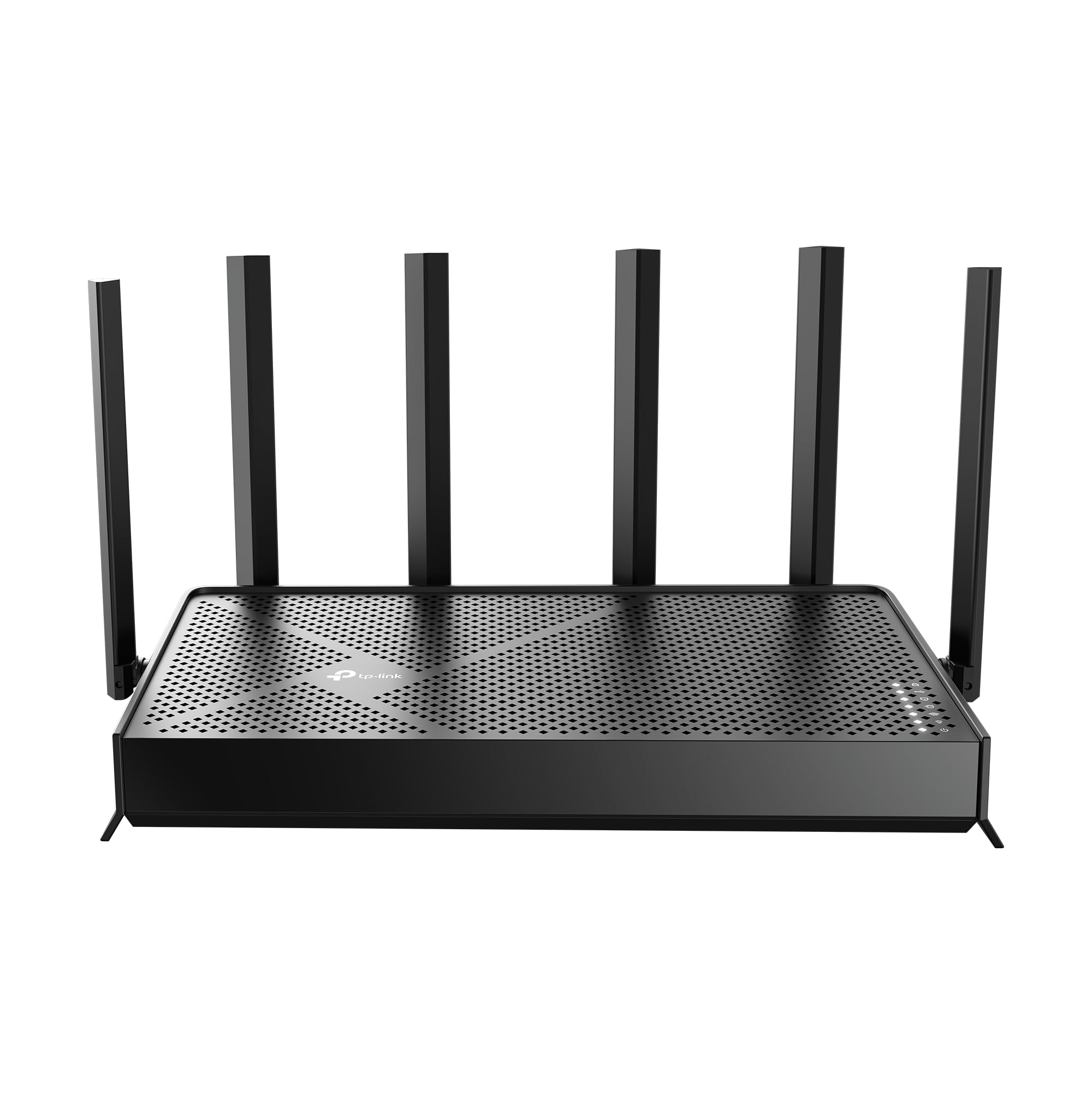
- WiFi 7 includes Multi-Link Operation, Multi-RUs, and 4K-QAM.
- Coverage is listed up to 2,400 sq. ft. for up to 90 devices.
- Includes two 2.5 Gbps ports and three 1 Gbps LAN ports.
Best For: Remote workers who want WiFi 7, multi-gig wired ports, and coverage for a larger home.

TP-Link Archer BE230
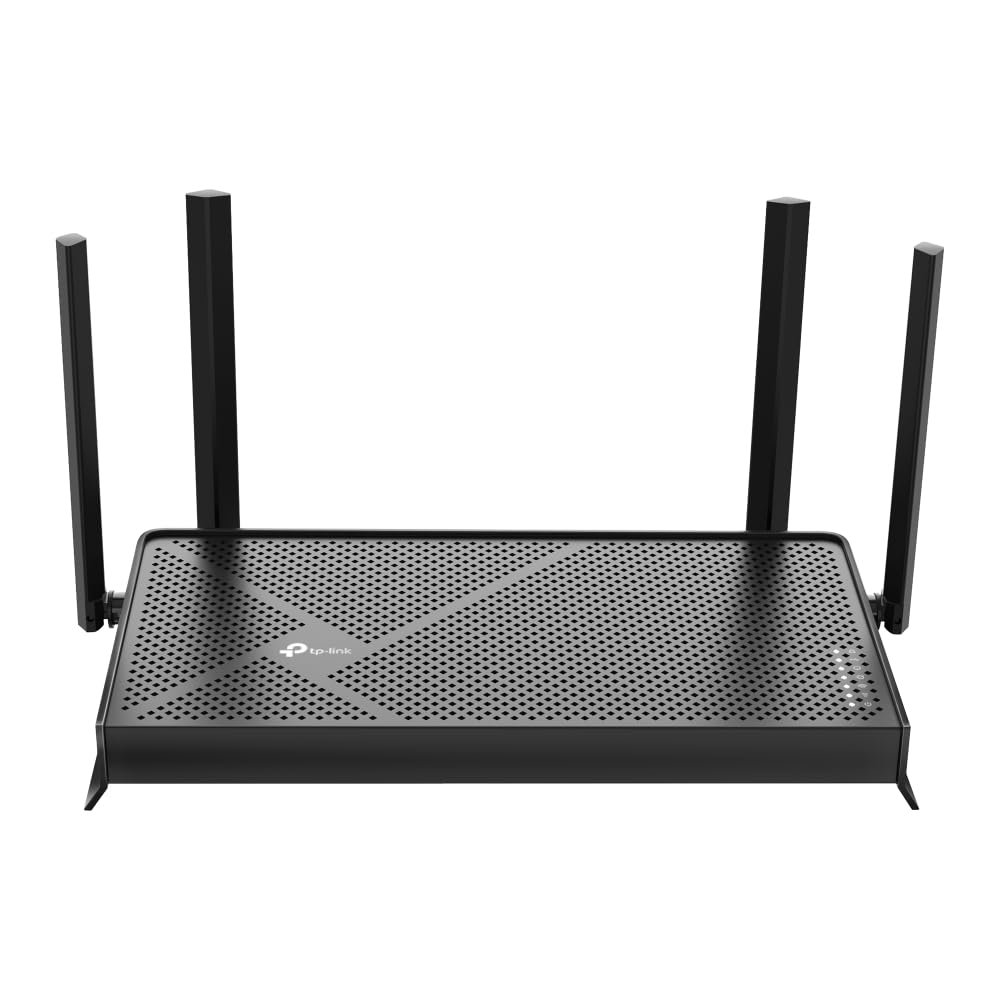
- WiFi 7 supports Multi-Link Operation, Multi-RUs, and 4K-QAM.
- The router has two 2.5 Gbps ports and three 1 Gbps LAN ports.
- Coverage is listed up to 2,000 sq. ft. for up to 60 devices.
Best For: Home offices that want WiFi 7 and multi-gig Ethernet without stepping up to a tri-band router.
TP-Link Archer BE600
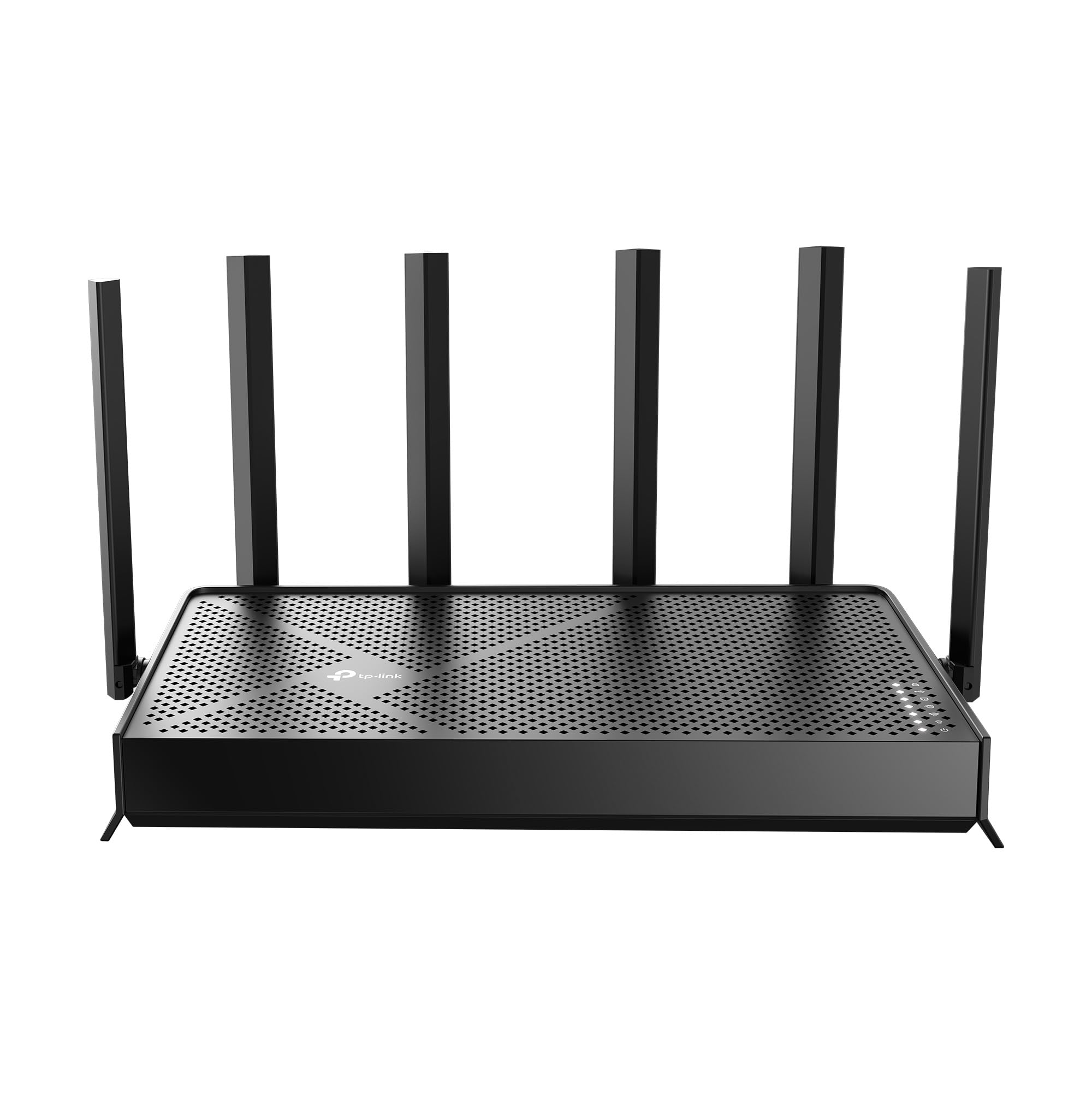
- Tri-band WiFi 7 includes a 6 GHz band and channels up to 320 MHz.
- The port selection includes one 10 Gbps port and three 2.5 Gbps LAN ports.
- Coverage is listed up to 2,600 sq. ft. for up to 120 devices.
Best For: Busy home offices with WiFi 7 clients, a multi-gig internet plan, and several wired devices.
TP-Link Archer AXE75
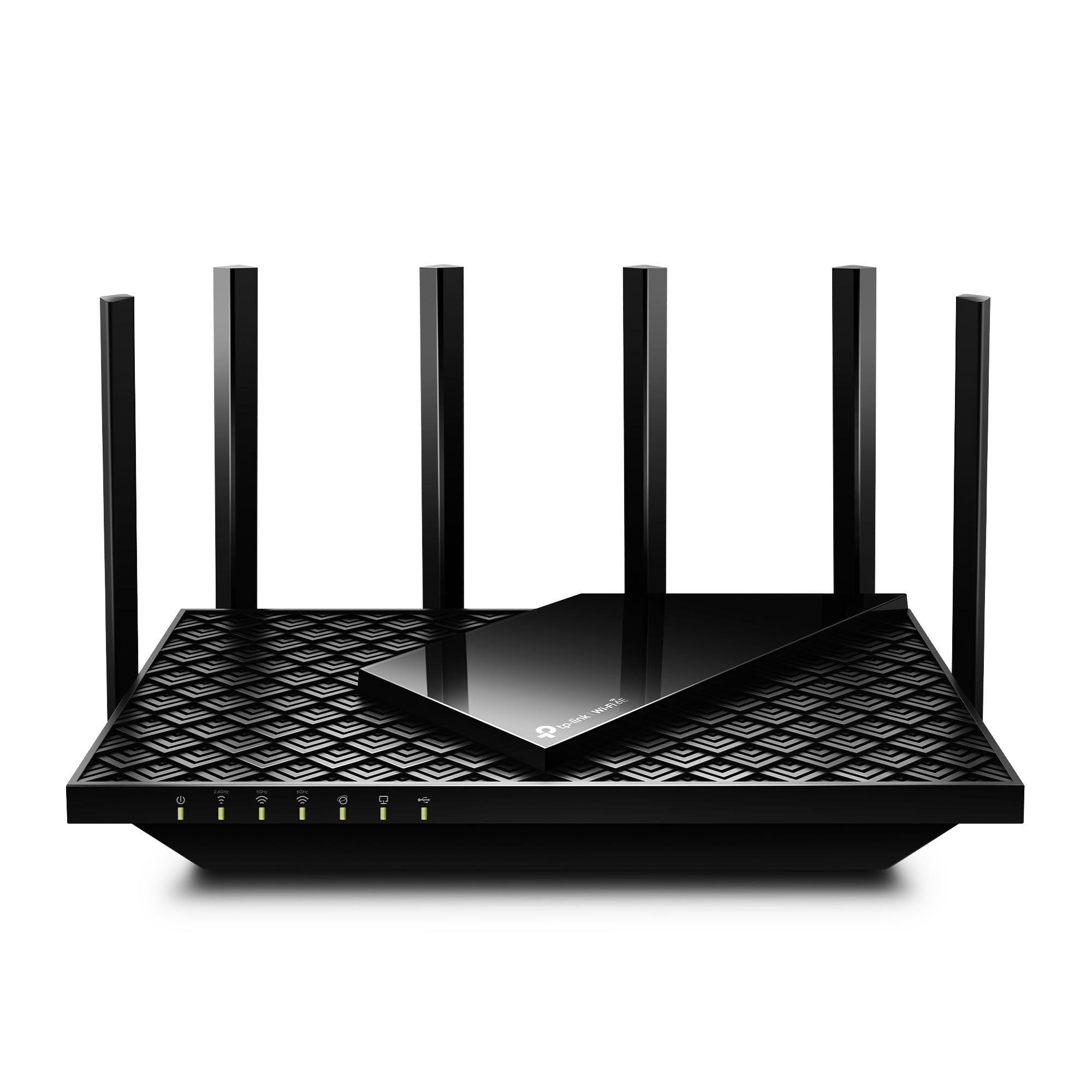
- Tri-band WiFi 6E adds a 6 GHz band.
- The 2.5 Gbps WAN port supports a multi-gig connection.
- OneMesh can extend coverage with a compatible TP-Link extender.
Best For: Households with compatible WiFi 6E devices and several simultaneous video calls, streams, or downloads.
TP-Link Roam 7 BE3600
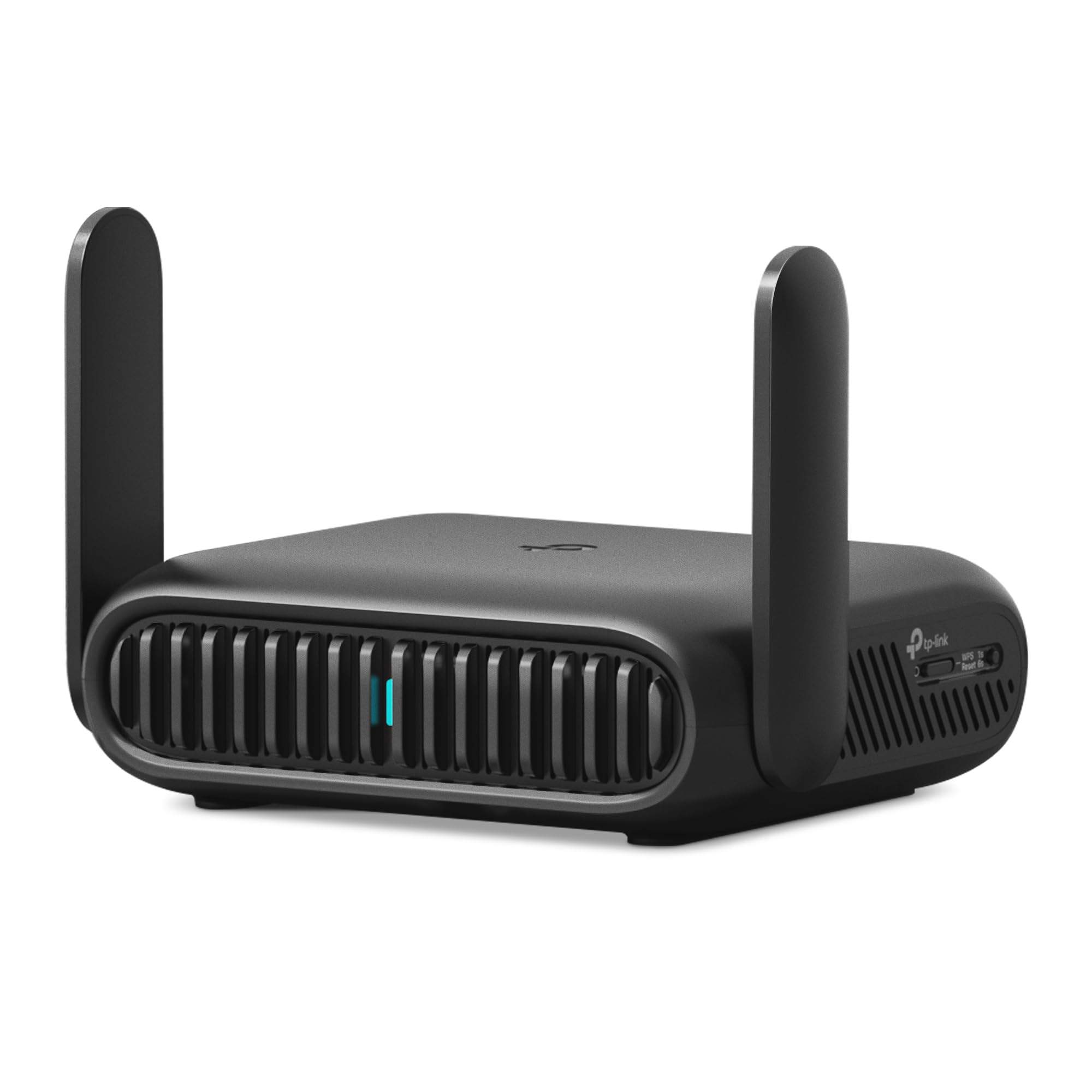
- Hotspot mode shares public WiFi through a private network.
- It supports OpenVPN and WireGuard VPN connections.
- The router can use USB-C power from a compatible 5V PD source.
Best For: Remote workers who need a private WiFi network from hotel or public WiFi while traveling.
Tenda RX12 Pro V3.0
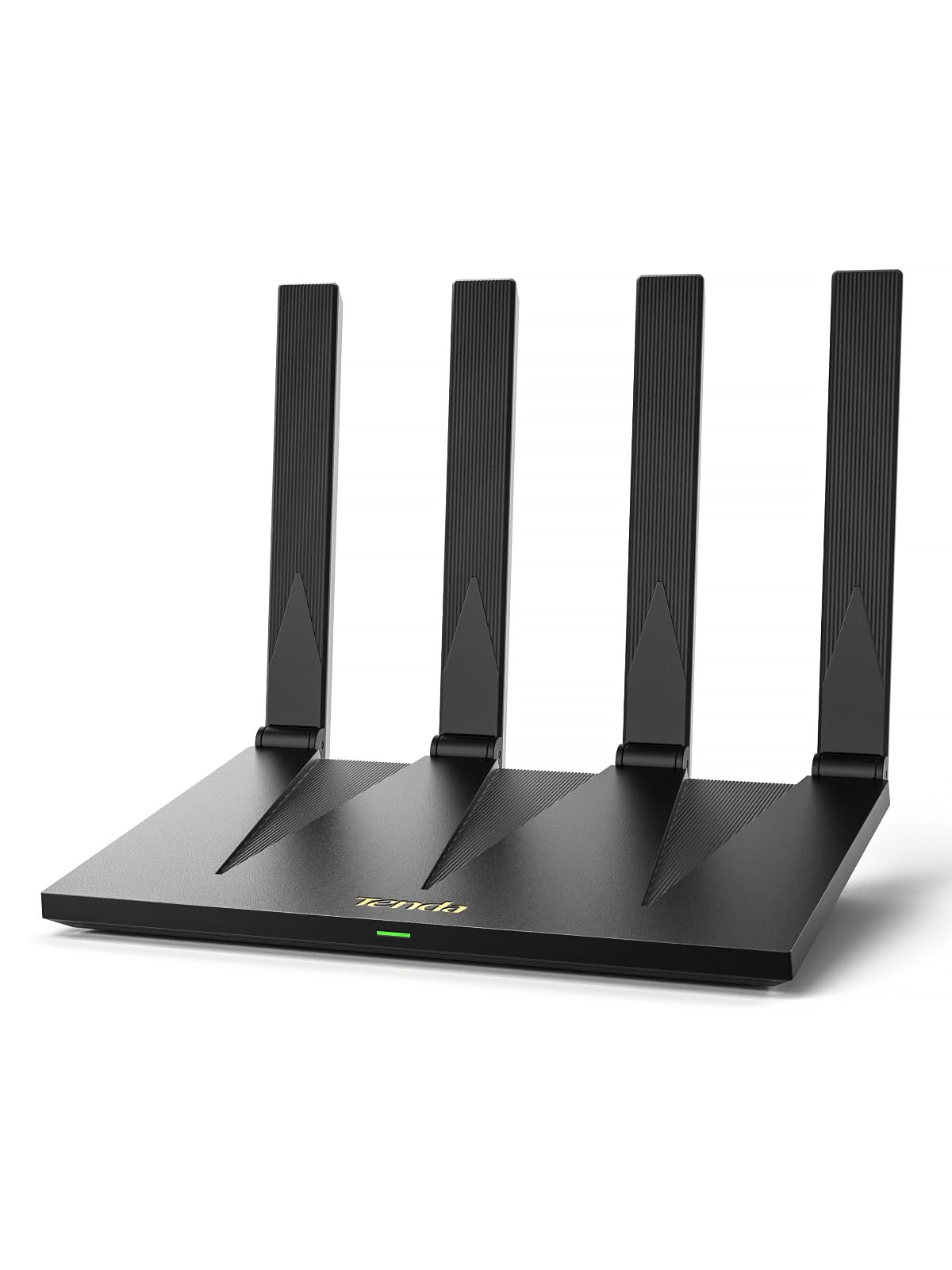
- WiFi 6 offers listed band rates up to 2402 Mbps and 574 Mbps.
- Four full gigabit ports support wired devices.
- OpenVPN and WireGuard support is available via a firmware update.
Best For: Home offices seeking WiFi 6, built-in VPN support, and gigabit wired connections.
TP-Link Archer GE650
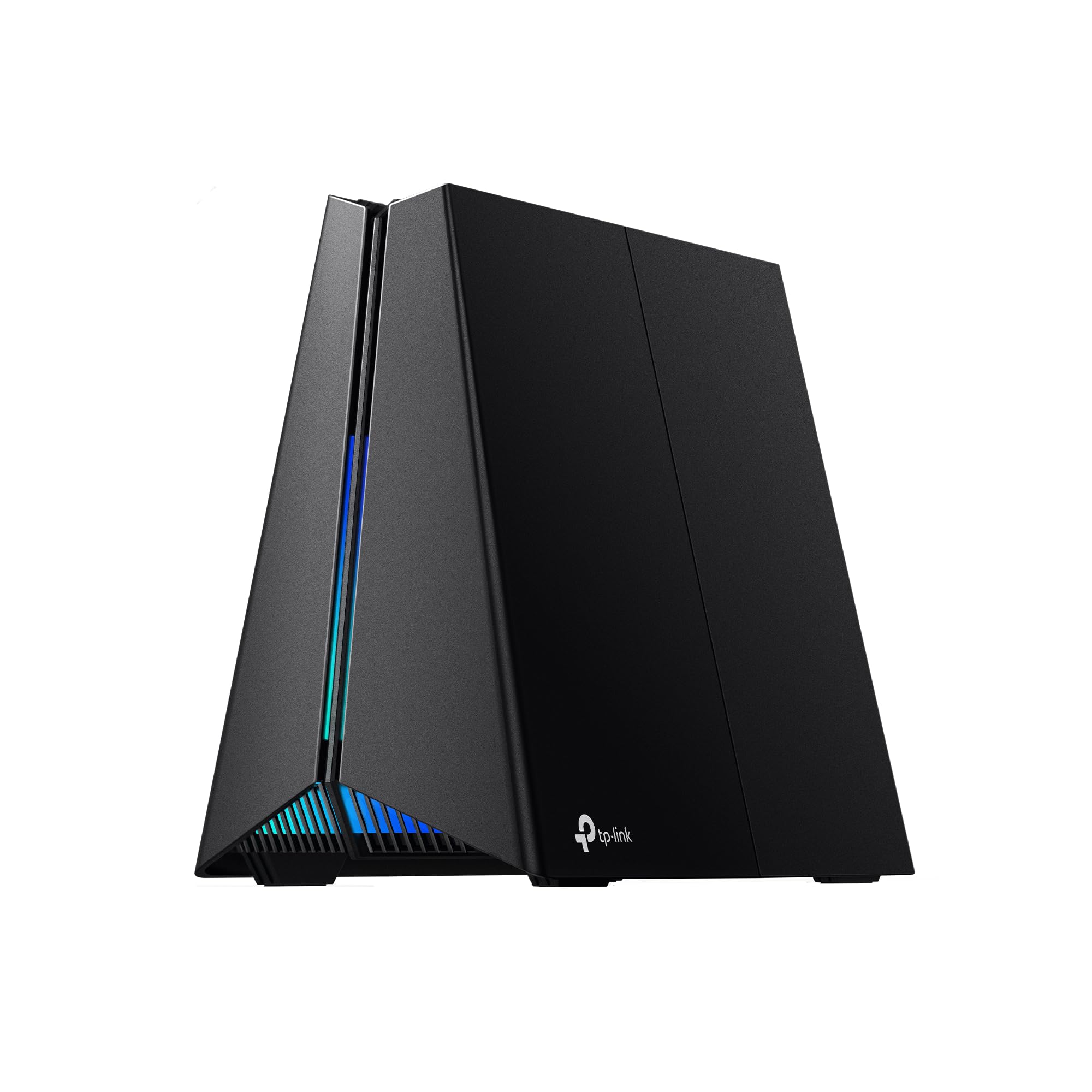
- Tri-band WiFi 7 has a dedicated 5 GHz gaming band.
- The router includes two 5 Gbps ports and three 2.5 Gbps LAN ports.
- The game panel shows network and router performance information.
Best For: Homes where a work setup shares the network with gaming devices and multi-gig wired equipment.
TP-Link Archer GE800
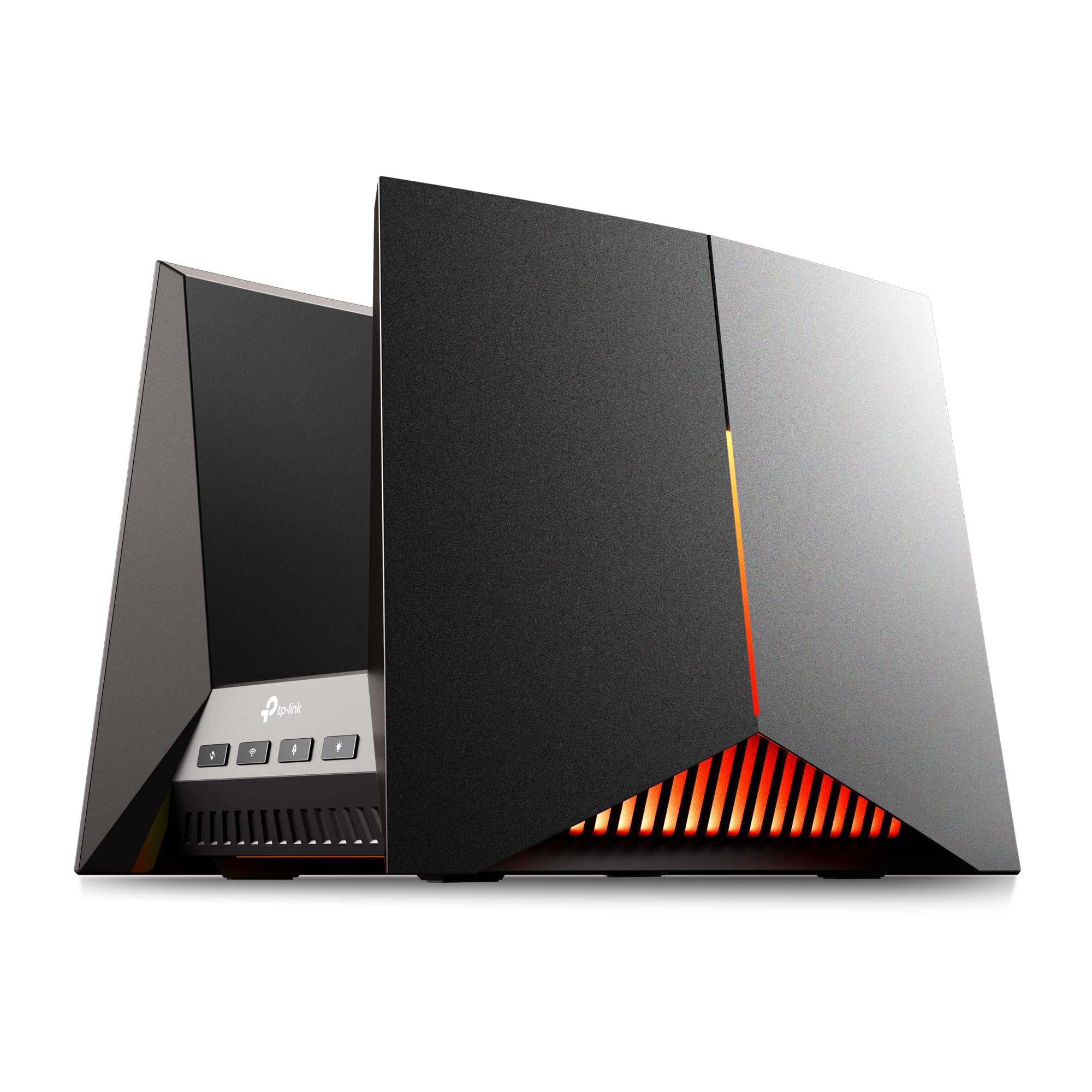
- Tri-band WiFi 7 has up to 19 Gbps across three bands.
- It has two 10 Gbps ports and four 2.5 Gbps ports.
- Gaming controls include an acceleration feature and performance panel.
Best For: A home office sharing a high-capacity network with gaming equipment and several multi-gig wired devices.
Tenda AC6
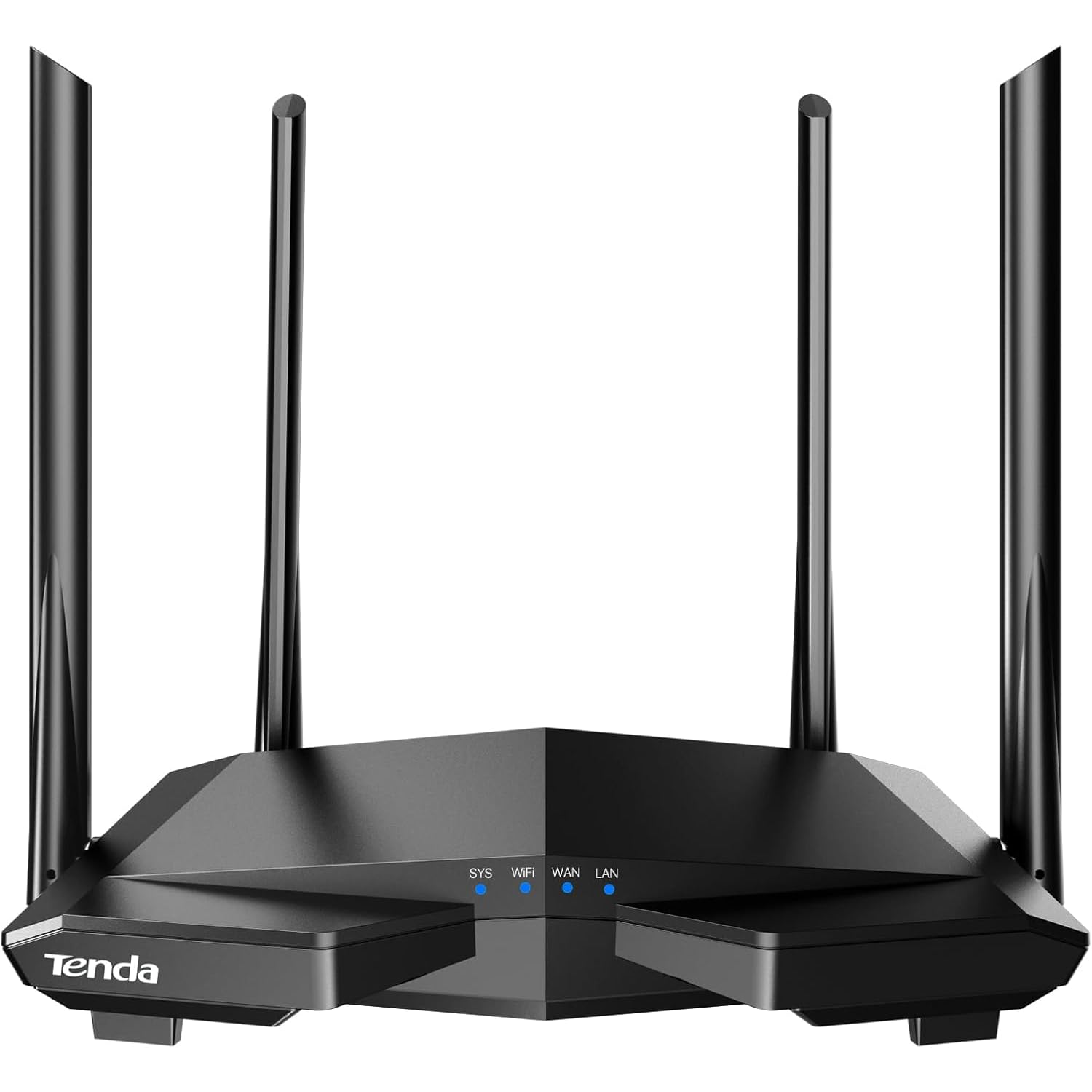
- Dual-band WiFi is rated up to 1.2 Gbps across the bands.
- Four Ethernet ports are rated at 100 Mbps each.
- The Tenda WiFi app supports setup and network management.
Best For: A basic home office using standard-speed wired connections and a separate modem.
WiFi 7 With Broad Home Coverage
TP-Link BE6500 Dual-Band WiFi 7 Router (BE400) – Dual 2.5Gbps Ports, USB 3.0, Covers up to 2,400 sq. ft., 90 Devices, Quad-Core CPU, HomeShield, Private IoT, Free Expert Support
The Archer BE400 pairs WiFi 7 with dual-band wireless and a listed coverage area of up to 2,400 sq. ft. Its six antennas and beamforming are intended to focus the signal toward harder-to-reach areas, while the product lists support for up to 90 devices.
For a home office with a fast wired workstation, it has one 2.5 Gbps WAN/LAN port, one 2.5 Gbps LAN port, and three 1 Gbps LAN ports. Multi-Link Operation and EasyMesh support add options for compatible newer devices and expanding coverage.
Check whether your clients support WiFi 7 and whether your modem and internet plan can use the faster ports.
Best For: Remote workers who want WiFi 7, multi-gig wired ports, and coverage for a larger home.
| Pros | Cons |
|---|---|
|
|
Choose this router if newer WiFi 7 clients, broad stated coverage, and two 2.5 Gbps ports suit your home office and household. Its dual-band design lacks a 6 GHz band, while its competitor adds tri-band WiFi and a 10 Gbps port.
Before buying, confirm that your modem, internet service, and wired devices can use the BE400's multi-gig ports; the listed wireless figures are maximum band rates, not a guarantee of office-device throughput.
WiFi 7 With Two Multi-Gig Ports
TP-Link Dual-Band BE3600 Wi-Fi 7 Router Archer BE230 | 4-Stream | 2×2.5G + 3×1G Ports, USB 3.0, 2.0 GHz Quad Core, 4 Antennas | VPN, EasyMesh, HomeShield, MLO, Private IOT | Free Expert Support
The Archer BE230 is a dual-band WiFi 7 router with a 2.0 GHz quad-core processor and a useful spread of Ethernet connections. It has one 2.5 Gbps WAN/LAN port, one 2.5 Gbps LAN port, and three additional 1 Gbps LAN ports, which can suit a wired work computer alongside other home devices.
The listed coverage is up to 2,000 sq. ft. for up to 60 devices. EasyMesh support offers a way to expand a compatible setup, and Tether app setup is available.
It does not support 6 GHz, so check whether that band matters for the wireless devices you use at work.
Best For: Home offices that want WiFi 7 and multi-gig Ethernet without stepping up to a tri-band router.
| Pros | Cons |
|---|---|
|
|
The BE230 fits a home office that wants WiFi 7 and two multi-gig ports but does not need a 6 GHz band. Its stated coverage and device capacity are more modest than some higher-capacity routers, while it keeps the same general dual-band approach.
Check the layout of your home against the coverage estimate, and confirm your modem and client devices can use the relevant port speeds. A separate modem is required for most internet providers.
Tri-Band WiFi 7 and a 10 Gbps Port
TP-Link Tri-Band BE9700 WiFi 7 Router (Archer BE600) – 10G Port, 2.5G Port, 3× 2.5G LAN, 320MHz Channel, Covers up to 2,600 sq. ft., 120 Devices, VPN, HomeShield Security
The Archer BE600 combines tri-band WiFi 7 with a 10 Gbps WAN/LAN port, a 2.5 Gbps WAN/LAN port, and three 2.5 Gbps LAN ports. That port mix gives a home office several options for a fast wired workstation, storage device, or other network equipment, subject to what those devices support.
Wireless coverage is listed up to 2,600 sq. ft. for up to 120 devices, with six antennas and beamforming. The router also supports VPN clients and servers and can be managed through the Tether app or web interface.
Check your modem, internet plan, and client devices before paying for multi-gig capacity.
Best For: Busy home offices with WiFi 7 clients, a multi-gig internet plan, and several wired devices.
| Pros | Cons |
|---|---|
|
|
Pick the BE600 when tri-band WiFi 7 and several fast Ethernet connections match a demanding home office. Its 10 Gbps port and three 2.5 Gbps LAN ports give it a different wired focus from dual-band alternatives, while its wireless coverage estimate is broad.
Confirm that your modem, service plan, and wired clients can use those ports. If your devices are mainly dual-band, the extra 6 GHz capability may not factor into your daily work.
6 GHz WiFi 6E for Busy Workdays
TP-Link AXE5400 Tri-Band WiFi 6E Router (Archer AXE75), 2025 PCMag Editors' Choice, 2.5Gbps WAN Port for Gaming & Streaming, 6GHz Band, 160MHz, OneMesh, Dual-Core CPU, VPN & WPA3 Security
The Archer AXE75 is a tri-band WiFi 6E router with a 6 GHz band, a 2.5 Gbps WAN port, and stated WiFi speeds up to 5,400 Mbps across its bands. TP-Link says OFDMA increases device capacity, and its product details give a 1.0 GHz dual-core CPU with 512 MB of memory.
For a home office, the separate bands and multi-device focus can be useful when work calls share the network with streaming and downloads. OneMesh support allows expansion with a compatible extender.
It is an older WiFi generation than the WiFi 7 choices here, so verify the capabilities of your current devices before choosing it.
Best For: Households with compatible WiFi 6E devices and several simultaneous video calls, streams, or downloads.
| Pros | Cons |
|---|---|
|
|
The AXE75 is a fit for a home office where 6 GHz compatibility and tri-band operation matter, especially if work and household traffic overlap. The 2.5 Gbps WAN port can suit multi-gig service, but this record does not give a coverage estimate or device limit, so assess those needs separately.
Compared with WiFi 7 options, it uses WiFi 6E; check which generations your laptop, phone, and other clients support before deciding whether the 6 GHz band is useful.
Portable WiFi 7 for Remote Work Away From Home
TP-Link Roam 7 BE3600 Wi-Fi 7 Portable Travel Router | Dual-Band, 2.5G Port, USB 3.0 | Multi-Modes in One | OpenVPN, WireGuard® | Public WiFi Sharing for Hotel/Cruise/RV/Plane | No 6 GHz | TL-WR3602BE
The Roam 7 is a portable dual-band travel router designed to connect to public WiFi and create a private network for your devices. Its hotspot mode is useful for hotel or other shared connections, and its product details describe one-step captive portal authentication through the Tether app.
It supports OpenVPN and WireGuard, offers USB-C power from an adapter or compatible 5V PD source, and has a 2.5 Gbps WAN port plus a 1 Gbps LAN port. This is a travel-focused option rather than a conventional fixed home router.
Check workplace VPN requirements and the public network's sign-in process before relying on it for work.
Best For: Remote workers who need a private WiFi network from hotel or public WiFi while traveling.
| Pros | Cons |
|---|---|
|
|
Choose the Roam 7 if your home office shifts between hotels, temporary workspaces, or other public WiFi networks. Its private-network and VPN features address that use case, while its portable design and USB-C power make it easier to carry than a fixed home router.
For a permanent household installation, a home router offers features aimed at home use. Before traveling, check how the router handles the specific WiFi sign-in process and whether your employer permits the VPN setup.
WiFi 6 With VPN and Gigabit Ethernet
Tenda AX3000 WiFi 6 Router,Dual-Band Gigabit Wireless Internet Router, Mesh & AP Mode, Built-in VPN, NFC Tap-to-Connect, OFDMA MU-MIMO, Secure IoT Network for Home Gaming & 4K Streaming(RX12 Pro V3.0)
The Tenda RX12 Pro V3.0 is a dual-band WiFi 6 router with four full gigabit ports and support for OpenVPN and WireGuard through a firmware update. Its notes also describe an independent IoT network, device binding, parental controls, and app or browser-based setup.
Those features can help organize a mixed home network where work computers share space with smart devices and family traffic. The router supports EasyMesh and access point mode.
It does not include a built-in modem, so plan to connect it to an existing modem or gateway. Check firmware availability and VPN needs before making it the center of a work setup.
Best For: Home offices seeking WiFi 6, built-in VPN support, and gigabit wired connections.
| Pros | Cons |
|---|---|
|
|
The RX12 Pro suits a home office that values WiFi 6, gigabit Ethernet, and built-in VPN support without needing WiFi 7. Four full gigabit ports can connect a desktop and other wired devices, while EasyMesh gives an expansion path.
Its VPN feature depends on a firmware update, so check that the required firmware and protocol work with your setup. It also needs a separate modem or gateway.
Choose it over a portable router when the main job is serving a fixed home network.
Dedicated Gaming Band Beside the Home Office
TP-Link Tri-Band BE11000 Wi-Fi 7 Gaming Router Archer GE650 | 6-Stream 11 Gbps supports 320MHz | 2×5G + 3×2.5G Ports USB 3.0 | Game Acceleration, Dedicated Gaming Port & Panel, RGB Lighting|HomeShield
The Archer GE650 is a tri-band WiFi 7 gaming router with a dedicated 5 GHz gaming band, a game panel, and multi-gig wired ports. It has one 5 Gbps WAN port, one 5 Gbps LAN port, and three 2.5 Gbps LAN ports, which may suit a fast wired desktop or other compatible equipment alongside a home office.
The product details also describe VPN traffic acceleration features for games and EasyMesh support. Its gaming focus adds specialized controls that a typical office may not need.
Compare your wired equipment and internet service against those ports before deciding whether this high-capacity configuration fits your workday.
Best For: Homes where a work setup shares the network with gaming devices and multi-gig wired equipment.
| Pros | Cons |
|---|---|
|
|
The GE650 makes sense when the same network must serve both a work office and a serious gaming setup. Its dedicated gaming band and game controls distinguish it from office-oriented WiFi 7 routers, while the 5 Gbps and 2.5 Gbps ports support compatible wired equipment.
For ordinary video calls and browsing, these specialized features may not add much. Check whether your modem and devices support the listed multi-gig connections, and consider a tri-band WiFi 7 router if you want that capability without the gaming emphasis.
High-Capacity WiFi 7 for Gaming and Wired Setups
TP-Link Tri-Band BE19000 Wi-Fi 7 Gaming Router Archer GE800 | 12-Stream | 2×10G + 4×2.5G Ports, USB 3.0 | Turbo Acceleration, Dedicated Gaming Port & Panel, RGB Lighting, HomeShield, Free Expert Help
The Archer GE800 combines tri-band WiFi 7 with a listed wireless rate of up to 19 Gbps across three bands. Its wired selection includes two 10 Gbps ports and four 2.5 Gbps ports, making it the most specialized wired option in this group.
Gaming features include acceleration, a dedicated gaming port, and a real-time performance panel. It also supports EasyMesh.
Those capabilities may suit a household with demanding gaming and work devices, but they go well beyond what many home offices need. Check your service plan and attached equipment before choosing a router built around such high-speed connections.
Best For: A home office sharing a high-capacity network with gaming equipment and several multi-gig wired devices.
| Pros | Cons |
|---|---|
|
|
Consider the GE800 when a home office is part of a demanding gaming and wired-device setup, and your modem and clients can make use of its exceptional port mix. Its two 10 Gbps and four 2.5 Gbps ports provide multiple high-speed wired connections.
The GE800 also centers on gaming controls. For office work without those needs, a simpler WiFi 7 model is likely easier to match to your actual connections.
Straightforward App-Managed Dual-Band WiFi
Tenda AC1200 Smart WiFi Router, High Speed Dual Band Wireless Internet Router with Smart APP, 4 x 100 Mbps Fast Ethernet Ports, Supports Guest WiFi, Access Point Mode, IPv6 and Parental Controls(AC6)
The Tenda AC6 is a dual-band AC1200 router with four 100 Mbps Ethernet ports, guest WiFi, and app-based network management. It supports access point mode and parental controls, and its notes specify MU-MIMO on the 5 GHz band.
This is a simpler option for light home office work where the connected service and devices do not require faster Ethernet. Its ports are limited to 100 Mbps, which can constrain a wired workstation or internet plan above that rate.
It is a router rather than a modem, so it must connect to an ISP modem to provide internet access.
Best For: A basic home office using standard-speed wired connections and a separate modem.
| Pros | Cons |
|---|---|
|
|
The AC6 is appropriate for a light-duty home office where basic dual-band WiFi and app management are enough. Its clear tradeoff is wired speed: all four Ethernet ports are 100 Mbps, unlike gigabit and multi-gig options elsewhere in this roundup.
Check your internet service and whether your work computer relies on Ethernet before selecting it. The AC6 also needs a separate modem, so it is not a one-box replacement for ISP equipment.
How to Choose Wifi Routers For Home Office
How We Picked WiFi Routers for Home Office
This roundup focuses on routers that can serve a home network where work calls, cloud applications, and other household devices may share bandwidth. We included conventional dual-band and tri-band models, newer WiFi 7 choices, and a travel router that creates a private network from public WiFi.
The useful fit depends on your work location, client devices, wired connections, and whether you need features such as VPN support or mesh expansion.
The products are not interchangeable. The Tenda AC6 has basic app controls but 100 Mbps Ethernet ports; the RX12 Pro offers WiFi 6, gigabit ports, and VPN support.
The Archer BE230 and BE400 bring WiFi 7 and 2.5 Gbps ports, while the BE600 adds tri-band operation and a 10 Gbps port. Gaming routers are included for offices that share a network with demanding gaming equipment.
Comparing Home Office WiFi Routers
Start with the router's connection to the internet. If your modem and service are gigabit or slower, a 10 Gbps or 5 Gbps port may not change your workday.
Multi-gig ports become more relevant when the modem, plan, and wired clients can all use them. For a wired desktop, compare the exact LAN port speeds: the AC6's 100 Mbps ports are a much tighter limit than the gigabit or multi-gig choices.
Wireless band count also matters. Dual-band WiFi 7 routers can serve newer clients but do not provide the 6 GHz band; the BE600 and AXE75 offer tri-band operation with 6 GHz.
Check the WiFi generation and bands your laptop and work phone support. Maximum combined router rates are not the same as the speed a single device will receive.
| Product | Standout features | Best for |
|---|---|---|
| TP-Link Archer BE400Check Price |
| Remote workers who want WiFi 7, multi-gig wired ports, and coverage for a larger home. |
| TP-Link Archer BE230Check Price |
| Home offices that want WiFi 7 and multi-gig Ethernet without stepping up to a tri-band router. |
| TP-Link Archer BE600Check Price |
| Busy home offices with WiFi 7 clients, a multi-gig internet plan, and several wired devices. |
| TP-Link Archer AXE75Check Price |
| Households with compatible WiFi 6E devices and several simultaneous video calls, streams, or downloads. |
| TP-Link Roam 7 BE3600Check Price |
| Remote workers who need a private WiFi network from hotel or public WiFi while traveling. |
| Tenda RX12 Pro V3.0Check Price |
| Home offices seeking WiFi 6, built-in VPN support, and gigabit wired connections. |
| TP-Link Archer GE650Check Price |
| Homes where a work setup shares the network with gaming devices and multi-gig wired equipment. |
| TP-Link Archer GE800Check Price |
| A home office sharing a high-capacity network with gaming equipment and several multi-gig wired devices. |
| Tenda AC6Check Price |
| A basic home office using standard-speed wired connections and a separate modem. |
Coverage, Mesh, and Work-From-Home Placement
Use the stated coverage figures as a starting point, then consider where the modem and router can sit relative to your desk. The BE400 lists up to 2,400 sq. ft., the BE230 up to 2,000 sq. ft., and the BE600 up to 2,600 sq. ft. Walls and distance affect wireless connections, so a placement plan matters alongside headline area estimates.
For rooms that remain difficult to reach, the BE230, BE400, and gaming routers support EasyMesh; the AXE75 supports OneMesh with a compatible extender.
Mesh terminology differs by product family. The Deco 7 BE23 is a one-pack Deco mesh router with a listed coverage estimate of up to 2,500 sq. ft.; it is not the same style of standalone router as the Archer models.
A single node may suit a compact home or an existing compatible Deco system. Check the intended topology and compatibility before adding it to a network.
VPN, Guest WiFi, and Connected Devices
For remote work, distinguish router VPN features from the VPN software or service used by your employer. The Archer BE400 and BE600 support VPN clients and servers; the RX12 Pro lists OpenVPN and WireGuard support through a firmware update.
The Roam 7 is designed for another scenario: connecting to public WiFi and sharing it privately across travel devices. Confirm workplace requirements and whether a hotel or other network requires a sign-in portal.
Home offices also share networks with guests and smart devices. The AC6 supports guest WiFi, and the RX12 Pro and BE230 describe ways to create an IoT network.
Those controls can help keep network roles organized, but they do not replace checking device compatibility or setting up the router correctly. Look for app or web management that fits how you prefer to configure the network.
Who Should Buy What for a Home Office
Choose the Tenda AC6 for light work where 100 Mbps Ethernet is sufficient, or the RX12 Pro for WiFi 6, gigabit wired devices, and VPN support. The Archer BE230 suits a WiFi 7 setup that needs two 2.5 Gbps connections but not 6 GHz.
The BE400 adds broader listed coverage and a higher device capacity; the BE600 is the tri-band choice for 6 GHz and several multi-gig wired clients.
Choose the AXE75 if WiFi 6E and its 6 GHz band match your devices. The GE650 or GE800 makes more sense when gaming features and multi-gig wired equipment share the network with work.
For a work trip or temporary office on public WiFi, the Roam 7's portable hotspot mode addresses a different need. Before buying, verify modem requirements, port compatibility, home layout, and the WiFi bands your work devices can use.